%2Ffit-in%2F250x250%2Fguide_websites%2F134126%2Fimages%2F1780123079094castinghorizonfishingcharterva.png&w=1920&q=100)
Spadefish, Sea Bass & Triggerfish in Virginia Beach
Offshore Fishing in Virginia Beach - What to Expect
%2F%2Fusers%2F8a373f7e-62a2-4425-8c0b-423e2113a2cb%2Fimages%2Fvirginia-beach-mixed-species-catch-2753.jpg&w=1920&q=75)
Fishing, Tours Adventures by Captain Mike Aderholt in June
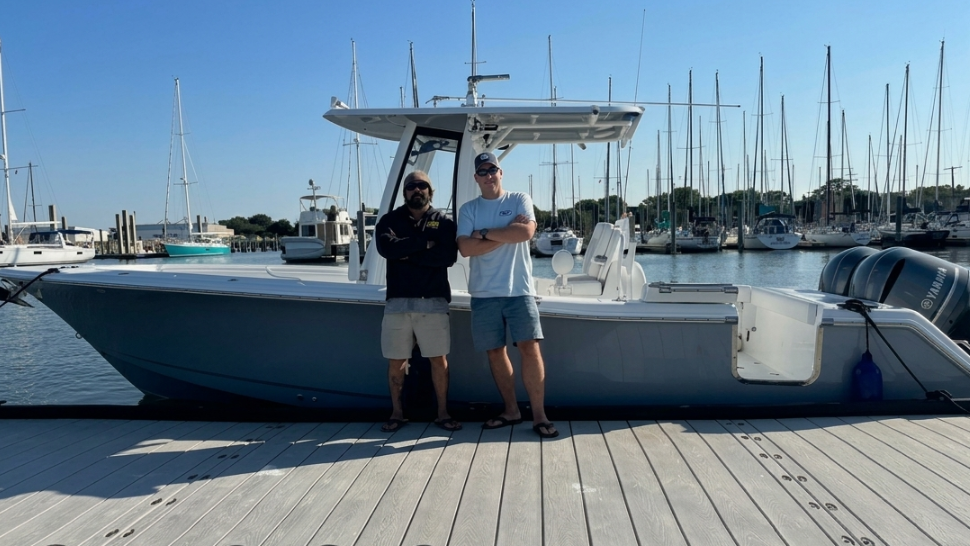
- Premier Virginia Beach Wreck Fishing Charters


Summary
Join a Fishing, Tours Adventures charter in Virginia Beach on Tuesday, June with expert local knowledge. This offshore experience showcases the diverse species that make Virginia Beach a premier fishing destination, including spadefish, black sea bass, and grey triggerfish that reward skilled anglers.
Offshore Fishing with Captain Mike Aderholt - Rates & Booking
Captain Mike Aderholt of Casting Horizon Fishing Charter VA on Tuesday, June delivers precision offshore fishing experiences off Virginia Beach. This charter specializes in targeting multiple species that require technical skill and local knowledge to consistently produce.
Casting Horizon provides fully equipped fishing charters with all necessary gear and tackle included. Our professional guides handle the technical aspects while you focus on the experience. Licensed and insured, we prioritize safety alongside quality fishing opportunities.
Contact Casting Horizon Fishing Charter VA to reserve your Virginia Beach offshore adventure and discuss specific trip details, guest arrangements, and availability.
Highlights of Virginia Beach Offshore Fishing
The waters off Virginia Beach deliver exceptional variety for serious anglers. Mixed species days are common, allowing you to experience multiple fishing techniques and target different depths throughout your charter. The combination of spadefish, black sea bass, and grey triggerfish means constantly changing tactics and learning opportunities.
Captain Mike's approach emphasizes understanding fish behavior and environmental conditions rather than luck. You'll develop practical skills applicable to future fishing adventures while connecting with a productive offshore ecosystem that rewards technique and persistence.
Local Species Insights: Spadefish, Black Sea Bass & Triggerfish
Virginia Beach's offshore environment supports three distinct species, each with unique characteristics and behaviors. Understanding what you're pursuing enhances both success and appreciation for the ecosystem.
Spadefish frequent reef structures and hard-bottom areas where they feed on crustaceans and small fish. They're aggressive feeders that respond well to precise bait placement and demonstrate strong fighting ability when hooked. Catching spadefish requires patience and attention to detail, as these fish can be selective about presentation.
Black sea bass dominate deeper structures and wreck environments throughout the region. These aggressive fish school predictably and respond to vertical jigging techniques and live bait presentations. Their availability makes them a reliable target, though trophy-sized specimens require knowledge of specific offshore locations and seasonal patterns.
Grey triggerfish represent a more technical challenge. These intelligent fish inhabit rocky outcrops and deep structure, feeding primarily on hard-shelled prey. Their unique jaw strength and cautious nature demand specialized rigging and presentation strategies. Successfully catching triggerfish develops advanced angling skills.
Virginia Beach's offshore waters range from near-shore reefs to deeper continental shelf environments. This diversity creates multiple fishing grounds within a single charter, allowing Captain Mike to adapt tactics based on conditions, fish activity, and your skill level. The combination of species available means consistent action and learning opportunities throughout the year.
The surrounding ecosystem includes numerous other offshore species and marine life. Understanding the complete picture of what sustains these target species adds depth to your fishing experience and environmental awareness.
Fishing in Virginia Beach: Spadefish, Grey Triggerfish and Black Sea Bass
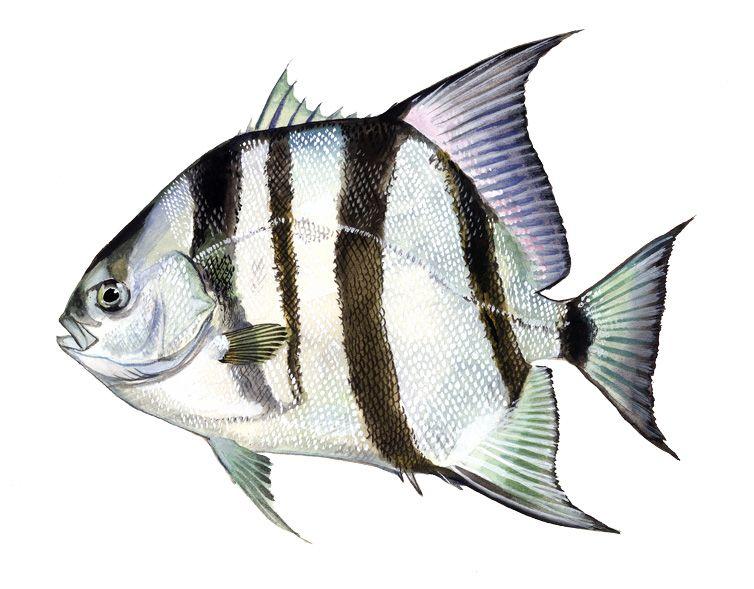
Spadefish Overview
The Spadefish (Chaetodipterus faber), a member of the family Ephippidae within the order Perciformes, is one of the Atlantic coast's most exciting and visually striking game fish. Known by numerous colloquial names including Moonfish, White Angelfish, Ocean Cobbler, and Three-tailed Porgy, this remarkable species captivates anglers with its distinctive disk-shaped body, elegant flowing fins, and aggressive fighting spirit when hooked. With their silver-white bodies adorned with charcoal black stripes and a unique square-edged tail reminiscent of a stiff broom, Spadefish are instantly recognizable throughout coastal waters from Massachusetts down through the Gulf of Mexico. These schooling fish are celebrated not only for their challenging gameplay but also for their interesting behavioral adaptation of playing dead when threatened—a survival strategy that young Spadefish employ by drifting like leaves until danger passes.
Spadefish Habitat and Distribution
Spadefish thrive in the warm, brackish waters of the Western Atlantic, ranging from as far north as Massachusetts and extending south through the Gulf of Mexico to the southeastern coast of Brazil. While these fish can tolerate brackish conditions, they show a strong preference for shallower waters where they can remain safe from their natural predators—sharks and rays—and forage more effectively for their preferred foods. Mangrove swamps, coastal beaches, and harbors are classic Spadefish territory, though older, larger specimens often venture into deeper waters to explore reefs and shipwrecks. The species' preference for structured environments like these underwater formations makes them predictable targets for experienced anglers who understand their habitat requirements. Their tendency to congregate in dense schools of up to 500 individuals in shallow, sandy areas near the coastline makes them particularly accessible to shore-based and nearshore fishing operations.
Spadefish Size and Weight
The average Spadefish measures approximately 18 inches in length and weighs between 3 to 10 pounds, making them a satisfying catch for most recreational anglers. However, trophy-sized specimens can grow considerably larger, with documented cases of Spadefish reaching up to 36 inches long and weighing as much as 14 pounds. It's important to note that growth rates vary significantly; while young Spadefish grow at a moderate pace during their first five to ten years of life, their growth slows drastically thereafter. The average lifespan of approximately 10 years means that the larger fish you encounter have likely survived considerable predation pressure and developed sophisticated feeding and evasion behaviors. Size can vary based on water temperature, food availability, and local population dynamics, so checking with local fishing reports in your target area can provide realistic expectations for the day's catch.
Spadefish Diet and Behavior
Spadefish are opportunistic feeders with a well-defined preference for small invertebrates found in shallow coastal environments. Their primary diet consists of small crustaceans such as crabs and shrimps, mollusks including clams and squid, annelids, and cnidarians such as sea anemones and small jellyfish. They also supplement their diet by feeding on planktonic organisms drifting through the water column. Their small mouth—notably lacking teeth on the roof—is perfectly adapted for processing these small prey items, allowing them to graze effectively on the bottom and in midwater zones. Behaviorally, Spadefish are highly social animals that spend most of their lives in structured schools, a survival strategy that provides protection through numbers and coordinated movement. When threatened by predators, they exhibit fascinating anti-predator behavior by playing dead, allowing themselves to sink or drift passively until danger subsides. This schooling tendency and predictable feeding behavior make them excellent targets for anglers willing to locate their congregations.
Spadefish Spawning and Seasonal Activity
While specific spawning details are less documented than for some other commercial and game fish species, Spadefish demonstrate clear seasonal patterns tied to water temperature and food availability. These fish are most active and abundant in coastal waters during warmer months when water temperatures rise and planktonic and invertebrate populations peak. Their preference for tropical and subtropical climates suggests that water temperature plays a significant role in their distribution and seasonal movements. Understanding these seasonal rhythms helps anglers time their fishing trips for maximum success. Spring through fall typically offers the best opportunities for encountering active, feeding Spadefish schools, while winter months may see them retreat to deeper, slightly warmer offshore waters or reduce feeding activity significantly. Local fishing communities and guides maintain records of seasonal patterns specific to individual harbors and coastal regions.
Spadefish Techniques for Observation and Capture
Successful Spadefish fishing requires a combination of proper location scouting, appropriate tackle selection, and precise casting technique. The most reliable method employs small circle hooks baited with fresh clam, which exploits the species' strong natural preference for mollusks. Simply cast your baited line past the school and drag it through their formation to trigger strikes. An alternative and equally effective approach uses Ball Jellyfish (non-stinging varieties) as bait, appealing to the fish's natural feeding habits on cnidarians. Before casting, locate structural features where Spadefish congregate: search for mangrove swamps, rocky outcrops, pilings, shipwrecks, and reef systems. Shallow sandy areas adjacent to these structures are particularly productive. Around coastal areas like Florida's Gulf Coast and Atlantic inlets, focus your efforts near bridge pilings, jetties, and sandy banks where schools commonly gather during feeding windows. Cast slightly past your target school and allow the bait to drift naturally through their patrol route; Spadefish will typically strike aggressively when they spot easy prey. Early morning and late afternoon often provide the most active feeding periods.
Spadefish Culinary and Utilization Notes
Spadefish possess average odds for food quality, making them a respectable table fish though not necessarily a first choice for culinary-focused anglers. The flesh is relatively firm and flaky with a mild, delicate flavor. When properly cleaned and prepared—typically through pan-frying, baking, or grilling—smaller to medium-sized specimens offer acceptable eating, comparable to many other pan fish and small game fish. The bones and overall yield are reasonable for fish of this size. However, most anglers pursue Spadefish primarily for the exceptional fighting quality and the sporting challenge they provide rather than the culinary reward. Their reputation as an excellent odds catch for sport fishing far exceeds their value as food fish, making them most popular among competitive and recreational anglers seeking exciting action and memorable battles.
Spadefish Frequently Asked Questions
Q: What is the best bait for catching Spadefish?
A: Fresh clam on a small circle hook is the gold standard bait for Spadefish fishing. The species shows an almost irresistible preference for clams, making this combination remarkably effective. Ball Jellyfish (non-stinging varieties) serve as an excellent alternative bait option.
Q: Where can I find Spadefish near coastal Florida and the Atlantic?
A: Spadefish congregate in specific structures throughout the Atlantic and Gulf coasts. Look for mangrove swamps, bridge pilings, harbors, shallow sandy areas, jetties, reefs, and shipwrecks. Schools often form in nearshore waters, making them accessible from both boats and the shore. Local fishing piers and inlets are reliable spots.
Q: How should I fish for Spadefish if I see a school?
A: Cast your baited line slightly past the school and drag it through their formation. Spadefish are aggressive strikers when they spot prey drifting through their school. Use light to medium tackle with small hooks to match their small mouth size.
Q: Is Spadefish good to eat?
A: Spadefish offers average eating quality with mild, delicate, flaky flesh. While edible and acceptable when properly prepared, most anglers prize this species for its sporting qualities and fighting ability rather than its culinary value. Smaller to medium specimens yield the best results if you choose to keep and cook them.
Q: When is the best time to catch Spadefish?
A: Spadefish are most abundant and active during warmer months from spring through fall, with peak activity typically occurring during summer. Early morning and late afternoon feeding windows generally provide the most active and aggressive strikes.
Q: Why do young Spadefish play dead when threatened?
A: Young Spadefish employ a fascinating anti-predator strategy by allowing themselves to drift like leaves when threatened by larger predators such as sharks, rays, and larger finfish. This passive approach often tricks predators into overlooking them, allowing the fish to survive until danger passes.
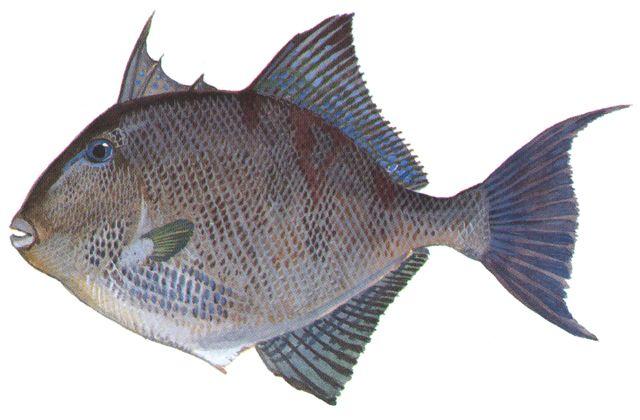
The Grey Triggerfish (Balistes capriscus) from the Balistidae family and Tetraodontiformes order is one of those fascinating fish that every angler should experience at least once. Also known as the Leatherjacket or Leatherneck, this distinctive ray-finned fish sports a pale grey to greenish-grey coloration with three broad dark stripes running across its body and striking blue upper eyes. What really sets them apart is their tough, leather-like skin and that unique trigger mechanism they use to lock themselves into crevices when threatened - it's like watching nature's own security system in action!
Grey Triggerfish Overview
These remarkable fish are true characters of the reef ecosystem, known for their bold personalities and opportunistic feeding habits. Found throughout the Atlantic waters from Nova Scotia down to Argentina, they're particularly abundant around Florida's coastal waters and the Gulf of Mexico. What makes them so notable for anglers is their aggressive feeding behavior and willingness to take almost any bait, though they're notorious for their nibbling technique that can frustrate even experienced fishermen. Their laterally compressed body and distinctive beak-like mouth make them unmistakable once you've encountered one.
Grey Triggerfish Habitat and Distribution
You'll find these adaptable fish thriving in both inshore and offshore environments, typically around hard-bottom areas, rocky ledges, and coral reefs up to about 180 feet deep. Their range extends from the western Atlantic Ocean, including the Caribbean Sea, Gulf of Mexico, and even Bermuda, with some populations having crossed the Atlantic via Gulf Stream currents to establish themselves around the British Isles and Mediterranean. They prefer seaward reefs, bays, and lagoons where they can easily dart into protective crevices when danger approaches. The key to finding them is looking for structure - anywhere there are rocks, reefs, or artificial structures, you're likely to encounter these territorial fish.
Grey Triggerfish Size and Weight
Most specimens you'll encounter range from 19 to 24 inches in length, though the average catch typically measures around 17 inches. These medium-sized fish pack quite a bit of weight for their size, with mature individuals weighing between 11 to 13 pounds. Their robust, compressed body shape gives them surprising heft, and when you hook into a larger specimen, you'll definitely feel the fight they put up. The size can vary significantly based on location and available food sources, with fish in nutrient-rich areas often reaching the upper end of the size spectrum.
Grey Triggerfish Diet and Behavior
As carnivorous opportunists, these fish have earned a reputation as the bulldozers of the reef ecosystem. They use their powerful, sharp teeth to crunch through hard-shelled prey like crabs, sea urchins, shrimp, and various invertebrates, often leaving a trail of destruction that smaller fish follow to feast on the leftovers. Their feeding behavior is quite aggressive - they'll pick apart coral formations to get at hidden prey and aren't shy about competing with other fish for food. This competitive nature makes them relatively easy to target with bait, as they'll often rush in to steal food from other species. Their daily behavior involves patrolling territory during daylight hours and retreating to protective crevices at night.
Grey Triggerfish Spawning or Seasonal Activity
During spawning season, typically in warmer months, these fish become even more territorial and aggressive. Males establish nesting sites in sandy areas near reefs where they create circular depressions for females to deposit eggs. The male guards the nest fiercely, making this period particularly exciting for anglers as the fish become more active and easier to locate. Seasonal movements often bring them into shallower waters during spring and summer months, making them more accessible to recreational fishermen. Their activity levels peak during dawn and dusk feeding periods, though they remain active throughout the day in productive areas.
Grey Triggerfish Techniques for Observation or Capture
The most effective approach involves targeting hard-bottom areas and reef structures using a 6 to 8-ounce sinker to get your bait down quickly to their preferred depths. Squid chunks about an inch wide work exceptionally well since they stay on the hook better than softer baits, and the key is maintaining constant line tension to feel those subtle nibbles before they steal your bait. A particularly effective technique is dropping your bait near other species like snapper or grouper - the competitive nature of these fish means they'll often charge in to steal food from their neighbors. Around popular fishing destinations, try fishing the edges of artificial reefs and bridge pilings where they tend to congregate. Keep your rod tip up and be ready to set the hook quickly, as they're notorious for testing the bait before committing to a full bite.
Grey Triggerfish Culinary or Utilization Notes
While they offer average eating quality compared to some other reef species, many anglers appreciate their firm, white meat when prepared properly. The key to good table fare is immediate cleaning and proper preparation, as the tough skin requires careful removal. Their meat has a mild flavor that takes well to various cooking methods, from grilling to frying, though some find the texture a bit firmer than preferred. They're also valued for their impressive fighting ability, making them a popular target for sport fishing. The sustainability aspect is important to consider, as proper size limits and seasonal restrictions help maintain healthy populations for future generations to enjoy.
Grey Triggerfish Frequently Asked Questions
Q: What is the best bait for Grey Triggerfish?
A: Squid chunks about an inch wide are the top choice because they stay on the hook well despite the fish's nibbling behavior. Shrimp, cut bait, and even small crabs work effectively, but squid's durability gives you the best chance of a solid hookup.
Q: Where can I find Grey Triggerfish in Florida waters?
A: Look for hard-bottom areas, artificial reefs, bridge pilings, and rocky ledges in both inshore and offshore waters up to 180 feet deep. Popular spots include reef systems off the Keys, Gulf Coast artificial reefs, and structure around inlets and passes.
Q: Are Grey Triggerfish good to eat?
A: They provide decent table fare with firm, white meat that has a mild flavor. While not considered premium eating like snapper or grouper, they're certainly edible when cleaned and prepared properly, though the tough skin requires careful removal.
Q: When is the best time to catch Grey Triggerfish?
A: Dawn and dusk feeding periods are typically most productive, though they remain active throughout the day. Warmer months often see increased activity as they move into shallower waters, and fishing around structure during incoming tides can be particularly effective.
Q: Why do Grey Triggerfish steal bait without getting hooked?
A: Their feeding behavior involves nibbling and testing bait before fully committing, which is why maintaining tight line tension and using durable baits like squid is crucial. Setting the hook at the first sign of movement rather than waiting for a strong pull often results in better hookup rates.
Q: How do I prevent Grey Triggerfish from breaking off once hooked?
A: Use sturdy tackle and reel steadily while keeping the rod tip up to prevent them from diving back into structure. Their first instinct when hooked is to head for the nearest crevice or reef, so applying consistent pressure to turn them away from cover is essential for a successful landing.
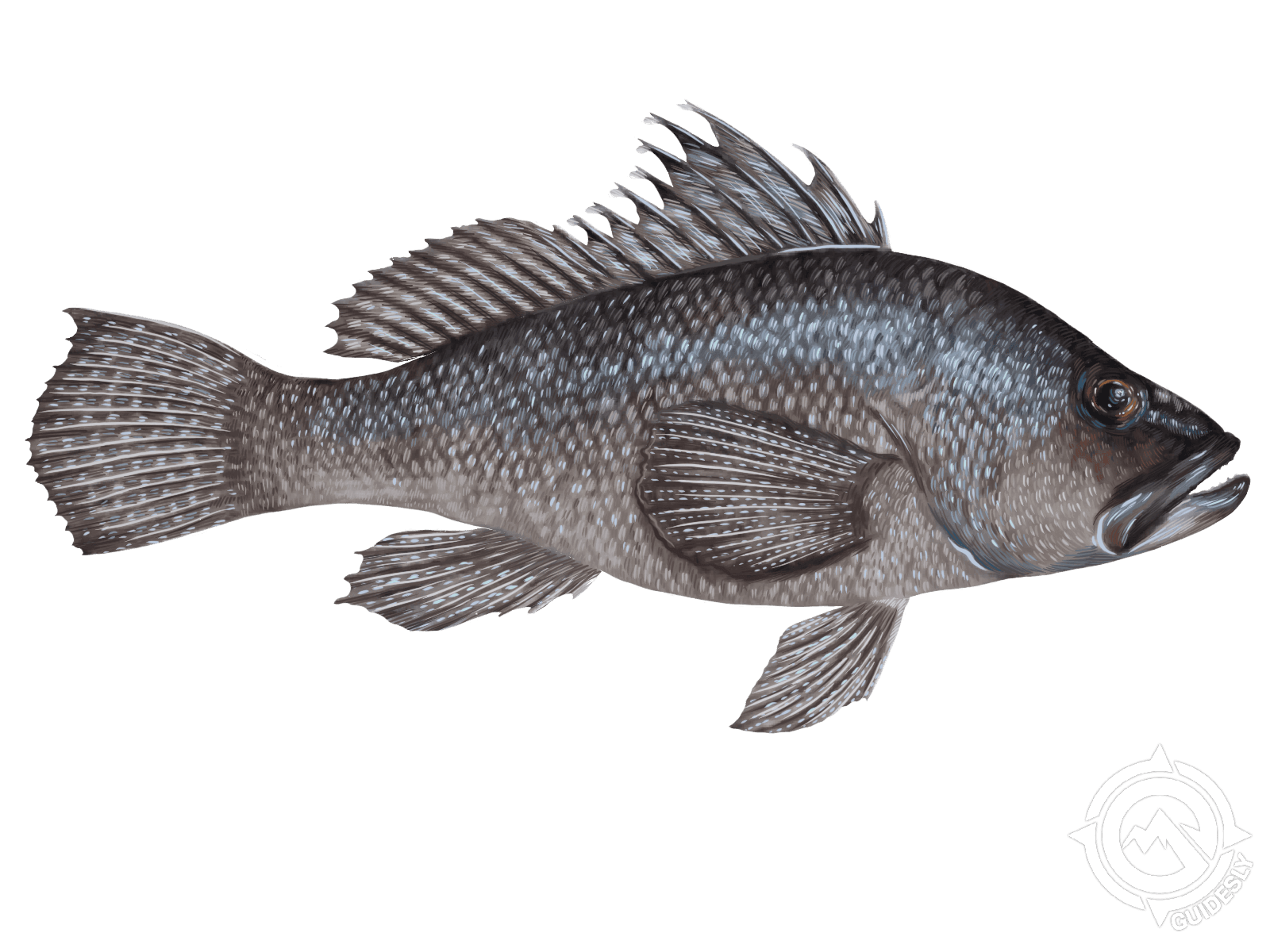
Black Sea Bass Overview
The Black Sea Bass (Centropristis Striata) is a fascinating member of the Serranidae family, belonging to the order Perciformes, and represents one of the most popular gamefish along the Atlantic coast. These plump-bodied beauties are instantly recognizable by their extended pelvic and dorsal fins adorned with white spots and bands, while their gray-to-black coloring with white-centered scales creates a striking appearance in shallow and deep waters alike. What makes this species truly remarkable is its unique biological characteristic: they are born female and can transition to males when they reach 9 to 13 inches in length—a fascinating adaptation influenced by social dynamics within their population. Found abundantly from the Gulf of Maine down to the Florida Keys and throughout the Gulf of Mexico, the Black Sea Bass has become increasingly accessible to anglers in places like Massachusetts and beyond, making it a cornerstone of recreational fishing culture along America's eastern seaboard.
Black Sea Bass Habitat and Distribution
Black Sea Bass thrive in a wide variety of underwater structures and environments, making them predictable targets for seasoned anglers. During summer months, they congregate around sunken wrecks, rocky bottoms, old pilings, and wharves at depths typically less than 120 feet. Juvenile bass prefer estuaries where they can feed safely and avoid larger predators, while adult populations spread across offshore and nearshore reefs. The species' geographic range has expanded dramatically in recent years; historically confined to Massachusetts as the northernmost limit, warming ocean temperatures have pushed populations northward into the Gulf of Maine, where they now thrive in previously marginal habitats. Winter migration patterns see these fish retreating to warmer South Atlantic states and offshore deeper waters. Their adaptability to various bottom structures—from rocky outcrops to sandy flats near jetties and piers—makes them accessible to both shore-based and boat anglers across diverse coastal regions.
Black Sea Bass Size and Weight
The Black Sea Bass typically ranges from 10 to 26 inches in length, with most recreational catches weighing between 2 and 9 pounds. While the average caught fish hovers around 3 to 4 pounds, the species is capable of reaching impressive proportions; the world record stands at an extraordinary 10 pounds 4 ounces, caught in Virginia Beach in January 2000. Larger males, which often exceed 5 pounds, tend to inhabit deeper waters with rocky bottoms and are prized by trophy-seeking anglers. Juveniles are considerably smaller, typically under 10 inches, and display the characteristic brown coloration with a dark stripe running the length of their body. This size progression correlates directly with their sex change; females mature at 2 to 5 years of age and can produce approximately 280,000 pelagic eggs annually, ensuring robust population recruitment.
Black Sea Bass Diet and Behavior
Black Sea Bass are primarily bottom feeders with a diverse diet that reflects their opportunistic hunting strategy. Adult and juvenile populations consume a variety of invertebrates including hermit crabs, rock crabs, squid, and razor clams—prey items they root from sandy and rocky substrates. While predominantly bottom-oriented hunters, they will occasionally strike at suspended jigs, plugs, and lures, making them less predictable than pure benthic foragers. Their behavior changes seasonally and with water temperature; during warmer months, they exhibit increased feeding activity and move shallow to feed and spawn. Social hierarchies play an important role in their biology: the presence or absence of dominant males directly influences whether larger females will undergo sex reversal to fill the reproductive role, demonstrating that this species exhibits complex behavioral ecology beyond simple feeding and survival mechanics.
Black Sea Bass Spawning or Seasonal Activity
The Black Sea Bass displays dramatic seasonal and reproductive behaviors that dictate their availability to anglers. Spawning season triggers remarkable physiological changes in males, who develop brilliant blue coloration and a pronounced hump on their heads—a visual transformation that intensifies their appeal to observant naturalists. Females typically mature between ages 2 and 5, and their reproductive output of approximately 280,000 pelagic eggs per season ensures population sustainability. Summer months (June through September) represent peak feeding and congregation periods near shore, making this the ideal fishing window for most anglers. The Federal Recreational Black Sea Bass season operates during two distinct periods: February 1 through February 28, and May 15 through December 31, with restrictions designed to protect spawning populations. Winter migration pushes populations southward and offshore, requiring anglers to adjust tactics and target deeper, warmer Atlantic waters if they wish to maintain consistent success during colder months.
Black Sea Bass Techniques for Observation or Capture
Method 1: Wreck and Reef Fishing with Medium-Weight Tackle — Equip yourself with a 6 to 8-foot medium-weight rod paired with a reel spooled with 20 to 30-pound fused, monofilament, or braided line. Navigate to known wreck sites, rocky reefs, or old pilings during summer months (late spring through early fall) when bass congregate in these structures. Deploy two-hook bait rigs baited with live squid or fish strips, allowing the rig to settle on the bottom where bass actively feed. This method produces consistently excellent results and allows you to feel the distinctive take of a striking bass before the hook set.
Method 2: Jigs and Lures Around Nearshore Structures — Venture to jetties, piers, and wharves with smaller jigs (1/4 to 1/2-ounce) tipped with squid or soft plastics. Cast near the structure edges and along drop-offs, retrieving with subtle rod movements to trigger aggressive strikes. This technique works particularly well during early morning and evening hours when light penetration changes and bass move to feed. The medium odds for angling success with this species means patience and persistence yield rewards.
Method 3: Estuarine Summer Fishing for Juveniles and Shallow-Water Adults — Explore shallow estuaries during summer months where juvenile populations congregate and larger adults pursue baitfish migrations. A light 6-foot rod with 10 to 15-pound line allows better sensitivity to subtle bottom touches. Cast live minnows or shrimp into 8 to 15-foot depths along creek channels and grass-lined banks. Around Massachusetts and coastal New England, estuaries like those in Cape Cod and Rhode Island offer outstanding access to both juvenile and adult populations, making these regions excellent starting points for developing your Black Sea Bass skills.
Black Sea Bass Culinary or Utilization Notes
The Black Sea Bass earns its reputation as an excellent food fish with firm, white flesh that remains moist during cooking and delivers a mild, slightly sweet flavor profile. The meat is versatile in the kitchen—suitable for baking, pan-searing, steaming, or grilling—and holds structural integrity well due to the species' relatively dense musculature. Culinary experts often recommend leaving the skin on during cooking to prevent drying, and the fish yields substantial fillets even from modest 3 to 4-pound specimens. Nutritionally, Black Sea Bass provides lean protein, omega-3 fatty acids, and essential minerals, making it a heart-healthy dietary choice. From a sustainability perspective, the Federal recreational regulations and seasonal closures demonstrate a commitment to maintaining healthy population levels, meaning responsible anglers can enjoy this species with confidence in its long-term availability.
Black Sea Bass Frequently Asked Questions
Q: What is the best bait for catching Black Sea Bass?
A: Live squid and fish strips consistently outperform other baits for Black Sea Bass, though hermit crabs and razor clams also produce excellent results. Live bait presentations on two-hook rigs deployed on the bottom near wreck structures yield the highest success rates, particularly during summer months when feeding activity peaks.
Q: Where can I find Black Sea Bass near Massachusetts?
A: Black Sea Bass are found throughout Massachusetts coastal waters, from the rocky reefs off the North Shore to the Cape Cod wrecks and southern estuaries. Summer congregation near jetties, piers, and shallow wrecks in 30 to 80 feet of water provides excellent access, while deeper offshore structures hold larger specimens during spring and fall shoulder seasons.
Q: Is Black Sea Bass good to eat?
A: Absolutely—Black Sea Bass ranks among the finest eating fish on the Atlantic coast. The firm, white flesh delivers a mild, slightly sweet flavor that remains moist during cooking. Pan-searing fillets skin-side down produces restaurant-quality results, and the species' nutritional profile—including omega-3 fatty acids and lean protein—makes it a healthy culinary choice.
Q: When is the best time to catch Black Sea Bass?
A: Late spring through early fall (May through September) represents the prime window when Black Sea Bass congregate near shore in accessible depths. The Federal recreational season runs February 1-28 and May 15-December 31, though summer offers the most reliable and productive fishing. Early morning and evening hours typically produce more aggressive feeding than midday periods.
Q: What rod and reel setup do I need for Black Sea Bass?
A: A 6 to 8-foot medium-weight rod paired with a conventional or spinning reel spooled with 20 to 30-pound line provides the ideal balance of sensitivity and power. This setup allows you to feel bottom structure and fish movements while maintaining sufficient strength to land 5+ pound specimens and maneuver in weedy or rocky environments.
Q: How has climate change affected Black Sea Bass distribution?
A: Warming Atlantic waters have pushed Black Sea Bass populations northward beyond their historical Massachusetts boundary into the Gulf of Maine, where water temperatures have risen sufficiently to support thriving populations. This range expansion creates new angling opportunities in previously marginal habitats and represents one of the most visible ecological shifts in Atlantic coastal fisheries over the past two decades.