%2Ffit-in%2F250x250%2Fguide_websites%2F134126%2Fimages%2F1780123079094castinghorizonfishingcharterva.png&w=1920&q=100)
Spadefish Caught on Virginia Beach Fishing Tour
Spadefish Fishing in Virginia Beach - What to Expect
%2F%2Fusers%2F8a373f7e-62a2-4425-8c0b-423e2113a2cb%2Fimages%2Fspadefish-catch-virginia-beach-net-2666.jpg&w=1920&q=75)
Fishing, Tours Adventures by Captain Mike Aderholt in June
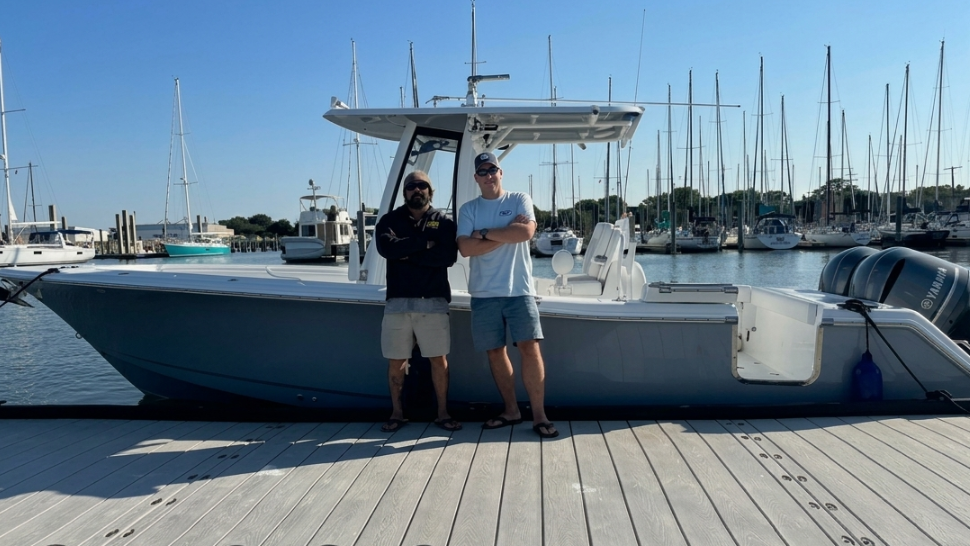
- Premier Virginia Beach Wreck Fishing Charters


Summary
Join Captain Mike Aderholt of Casting Horizon Fishing Charter VA for an action-packed fishing and tours adventure on Tuesday, June 9th. This Virginia Beach expedition targets spadefish and other dynamic species in some of the region's most productive waters. Whether you're a seasoned angler or chasing your first catch, this guided fishing experience delivers thrilling moments and unforgettable action on the Atlantic.
Fishing with Captain Mike Aderholt - Rates & Booking
Captain Mike Aderholt of Casting Horizon Fishing Charter VA on Tuesday, June brought the heat with this explosive spadefish catch. This guided fishing adventure puts you on the water with a licensed captain who knows the Virginia Beach fishery inside and out. Spadefish are aggressive, hard-fighting targets that demand skill, timing, and local knowledge - exactly what you'll get on this charter.
The experience combines expert guidance, proven techniques, and access to prime fishing grounds where these species thrive. All necessary fishing gear and expertise are included, so you can focus on the action. Whether you're targeting spadefish specifically or exploring what Virginia Beach waters have to offer, this fishing tour delivers results. Trips are customized to group size and skill level. Reserve your spot today and experience the rush of landing aggressive species in one of the Atlantic's most exciting fishing destinations.
Highlights of This Virginia Beach Fishing Experience
The explosive catch captured in this image showcases exactly what makes Virginia Beach fishing so thrilling. Spadefish are explosive fighters that test your skills and keep your adrenaline pumping from hook-set to net. This charter combines the thrill of the fight with the satisfaction of a successful landing - the moments that make fishing unforgettable.
Captain Mike Aderholt brings years of local expertise to every trip, reading water conditions and positioning the boat where spadefish are actively feeding. The Virginia Beach waters offer consistent action during peak season, with opportunities for multiple hookups and non-stop excitement throughout your charter.
Local Species Insights: Spadefish
Spadefish are one of Virginia Beach's most exciting saltwater targets, known for their aggressive striking and powerful runs. These fish are highly intelligent and feed in schools, meaning when you hook one, more action typically follows. They inhabit reef structures, wreck systems, and deeper channels where hard bottom provides ideal habitat.
What makes spadefish so thrilling is their unpredictable behavior and explosive hooksets. They'll crush your bait or lure and immediately test your drag and rod strength. Their compressed, disc-like bodies allow them to make quick directional changes, making every fight dynamic and engaging. Virginia Beach's underwater geography - from artificial reefs to natural structures - creates the perfect environment for spadefish to thrive.
The feeding windows can be intense, with multiple fish competing for the same bait. This creates fast-paced action where patience pays off, but so does quick reflexes. Whether you're using live bait or cut mullet, spadefish respond to presentations that trigger their competitive instincts. The species typically ranges from 6 to 20 pounds in these waters, providing fights appropriate for anglers of all skill levels while delivering genuine challenge.
Virginia Beach's proximity to deeper Atlantic waters means consistent access to spadefish throughout the season. The charter focuses on bottom fishing techniques in proven locations where these species congregate. Local captains track feeding patterns, seasonal movements, and tide conditions to maximize your chances of connecting with these aggressive fish.
Plan Your Spadefish Fishing Day
A typical spadefish charter with Captain Mike Aderholt starts with a boat departure to productive fishing grounds. The captain uses depth finders and local knowledge to locate active fish quickly, minimizing travel time and maximizing your fishing hours. All tackle and equipment are provided, eliminating the need to bring your own gear.
You'll spend your time working bottom structure where spadefish feed, using proven baits and techniques tailored to current conditions. The pace is typically fast, with frequent action during active feeding periods. Your group will work together, take turns, and experience the full spectrum of what Virginia Beach spadefish fishing offers - from explosive hooksets to nail-biting net moments.
Fishing in Virginia Beach: Spadefish
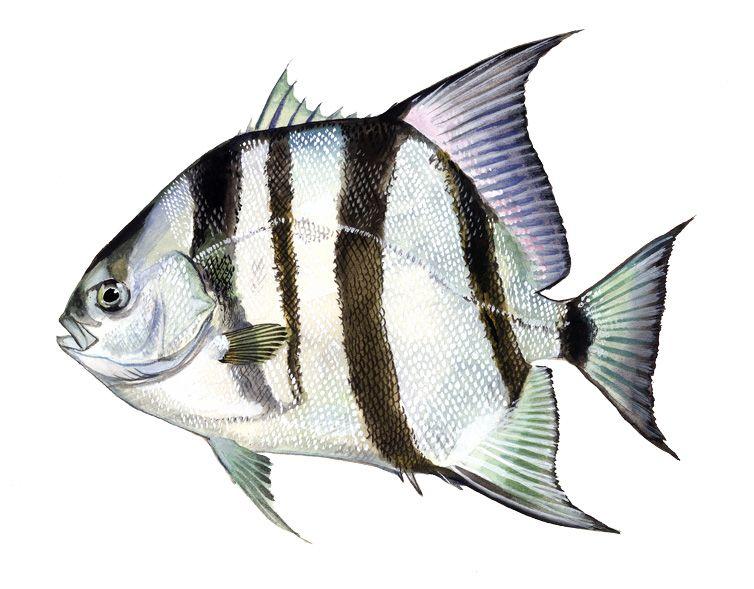
Spadefish Overview
The Spadefish (Chaetodipterus faber), a member of the family Ephippidae within the order Perciformes, is one of the Atlantic coast's most exciting and visually striking game fish. Known by numerous colloquial names including Moonfish, White Angelfish, Ocean Cobbler, and Three-tailed Porgy, this remarkable species captivates anglers with its distinctive disk-shaped body, elegant flowing fins, and aggressive fighting spirit when hooked. With their silver-white bodies adorned with charcoal black stripes and a unique square-edged tail reminiscent of a stiff broom, Spadefish are instantly recognizable throughout coastal waters from Massachusetts down through the Gulf of Mexico. These schooling fish are celebrated not only for their challenging gameplay but also for their interesting behavioral adaptation of playing dead when threatened—a survival strategy that young Spadefish employ by drifting like leaves until danger passes.
Spadefish Habitat and Distribution
Spadefish thrive in the warm, brackish waters of the Western Atlantic, ranging from as far north as Massachusetts and extending south through the Gulf of Mexico to the southeastern coast of Brazil. While these fish can tolerate brackish conditions, they show a strong preference for shallower waters where they can remain safe from their natural predators—sharks and rays—and forage more effectively for their preferred foods. Mangrove swamps, coastal beaches, and harbors are classic Spadefish territory, though older, larger specimens often venture into deeper waters to explore reefs and shipwrecks. The species' preference for structured environments like these underwater formations makes them predictable targets for experienced anglers who understand their habitat requirements. Their tendency to congregate in dense schools of up to 500 individuals in shallow, sandy areas near the coastline makes them particularly accessible to shore-based and nearshore fishing operations.
Spadefish Size and Weight
The average Spadefish measures approximately 18 inches in length and weighs between 3 to 10 pounds, making them a satisfying catch for most recreational anglers. However, trophy-sized specimens can grow considerably larger, with documented cases of Spadefish reaching up to 36 inches long and weighing as much as 14 pounds. It's important to note that growth rates vary significantly; while young Spadefish grow at a moderate pace during their first five to ten years of life, their growth slows drastically thereafter. The average lifespan of approximately 10 years means that the larger fish you encounter have likely survived considerable predation pressure and developed sophisticated feeding and evasion behaviors. Size can vary based on water temperature, food availability, and local population dynamics, so checking with local fishing reports in your target area can provide realistic expectations for the day's catch.
Spadefish Diet and Behavior
Spadefish are opportunistic feeders with a well-defined preference for small invertebrates found in shallow coastal environments. Their primary diet consists of small crustaceans such as crabs and shrimps, mollusks including clams and squid, annelids, and cnidarians such as sea anemones and small jellyfish. They also supplement their diet by feeding on planktonic organisms drifting through the water column. Their small mouth—notably lacking teeth on the roof—is perfectly adapted for processing these small prey items, allowing them to graze effectively on the bottom and in midwater zones. Behaviorally, Spadefish are highly social animals that spend most of their lives in structured schools, a survival strategy that provides protection through numbers and coordinated movement. When threatened by predators, they exhibit fascinating anti-predator behavior by playing dead, allowing themselves to sink or drift passively until danger subsides. This schooling tendency and predictable feeding behavior make them excellent targets for anglers willing to locate their congregations.
Spadefish Spawning and Seasonal Activity
While specific spawning details are less documented than for some other commercial and game fish species, Spadefish demonstrate clear seasonal patterns tied to water temperature and food availability. These fish are most active and abundant in coastal waters during warmer months when water temperatures rise and planktonic and invertebrate populations peak. Their preference for tropical and subtropical climates suggests that water temperature plays a significant role in their distribution and seasonal movements. Understanding these seasonal rhythms helps anglers time their fishing trips for maximum success. Spring through fall typically offers the best opportunities for encountering active, feeding Spadefish schools, while winter months may see them retreat to deeper, slightly warmer offshore waters or reduce feeding activity significantly. Local fishing communities and guides maintain records of seasonal patterns specific to individual harbors and coastal regions.
Spadefish Techniques for Observation and Capture
Successful Spadefish fishing requires a combination of proper location scouting, appropriate tackle selection, and precise casting technique. The most reliable method employs small circle hooks baited with fresh clam, which exploits the species' strong natural preference for mollusks. Simply cast your baited line past the school and drag it through their formation to trigger strikes. An alternative and equally effective approach uses Ball Jellyfish (non-stinging varieties) as bait, appealing to the fish's natural feeding habits on cnidarians. Before casting, locate structural features where Spadefish congregate: search for mangrove swamps, rocky outcrops, pilings, shipwrecks, and reef systems. Shallow sandy areas adjacent to these structures are particularly productive. Around coastal areas like Florida's Gulf Coast and Atlantic inlets, focus your efforts near bridge pilings, jetties, and sandy banks where schools commonly gather during feeding windows. Cast slightly past your target school and allow the bait to drift naturally through their patrol route; Spadefish will typically strike aggressively when they spot easy prey. Early morning and late afternoon often provide the most active feeding periods.
Spadefish Culinary and Utilization Notes
Spadefish possess average odds for food quality, making them a respectable table fish though not necessarily a first choice for culinary-focused anglers. The flesh is relatively firm and flaky with a mild, delicate flavor. When properly cleaned and prepared—typically through pan-frying, baking, or grilling—smaller to medium-sized specimens offer acceptable eating, comparable to many other pan fish and small game fish. The bones and overall yield are reasonable for fish of this size. However, most anglers pursue Spadefish primarily for the exceptional fighting quality and the sporting challenge they provide rather than the culinary reward. Their reputation as an excellent odds catch for sport fishing far exceeds their value as food fish, making them most popular among competitive and recreational anglers seeking exciting action and memorable battles.
Spadefish Frequently Asked Questions
Q: What is the best bait for catching Spadefish?
A: Fresh clam on a small circle hook is the gold standard bait for Spadefish fishing. The species shows an almost irresistible preference for clams, making this combination remarkably effective. Ball Jellyfish (non-stinging varieties) serve as an excellent alternative bait option.
Q: Where can I find Spadefish near coastal Florida and the Atlantic?
A: Spadefish congregate in specific structures throughout the Atlantic and Gulf coasts. Look for mangrove swamps, bridge pilings, harbors, shallow sandy areas, jetties, reefs, and shipwrecks. Schools often form in nearshore waters, making them accessible from both boats and the shore. Local fishing piers and inlets are reliable spots.
Q: How should I fish for Spadefish if I see a school?
A: Cast your baited line slightly past the school and drag it through their formation. Spadefish are aggressive strikers when they spot prey drifting through their school. Use light to medium tackle with small hooks to match their small mouth size.
Q: Is Spadefish good to eat?
A: Spadefish offers average eating quality with mild, delicate, flaky flesh. While edible and acceptable when properly prepared, most anglers prize this species for its sporting qualities and fighting ability rather than its culinary value. Smaller to medium specimens yield the best results if you choose to keep and cook them.
Q: When is the best time to catch Spadefish?
A: Spadefish are most abundant and active during warmer months from spring through fall, with peak activity typically occurring during summer. Early morning and late afternoon feeding windows generally provide the most active and aggressive strikes.
Q: Why do young Spadefish play dead when threatened?
A: Young Spadefish employ a fascinating anti-predator strategy by allowing themselves to drift like leaves when threatened by larger predators such as sharks, rays, and larger finfish. This passive approach often tricks predators into overlooking them, allowing the fish to survive until danger passes.